Blues music got the label “the Devil’s Music” because of its truth and hope. This was about control. Songs expressed pain, injustice, desire, and survival, which made the church and others felt this music was dangerous because it told the truth about what Black people went through. The church and mainstream culture saw the honest discussions of Black suffering as a threat. Blues music refused to stay silent. It showed flaws in the system and acknowledged people’s pain.
The Ethics of black Life as wayward life (Saidiya Hartman)-
Saidiya Hartman explains what it means to be Black in a world that ignores you while still keeping a close eye on you. She talks about how the violence of slavery did not just stop. It continues today through segregation and racial violence. Even though society often reduces Black lives to suffering or overlooks them in history, Hartman shows that people find ways to live fully and claim their humanity against the odds. She calls this the ethics of survival, finding meaning and freedom despite ongoing violence.
Blues music relates to the idea of discussing pain while also showing strength and personal power. Artists like Muddy Waters, Ma Rainey, and Bessie Smith use clever language, riddles, and deep lyrics to talk about struggle and resistance. This music transforms trauma into proof of existence, creativity, and dignity. The blues, like Hartman’s life, is about refusing to be erased, even in the face of violence and oppression.
Cultural Memory and Identity (Zora Neale Hurston)-
Zora Neale Hurston believed that folklore, like songs, stories, riddles, and myths, was essential to Black cultural memory. By visiting places like Florida and Louisiana to capture oral traditions, she preserved the experiences of Black communities that might otherwise be forgotten. For her, these stories were not just fun but a way to share history, shape identity, and connect different generations. Cultural memory, in this way, helps resist forgetting and maintains the changing nature of Black culture.
The blues serve a similar purpose. It is not just about expressing emotions but also about sharing collective memory, pain, resilience, and survival, through music. A song like Blind Willie Johnson’s “Dark Was the Night, Cold Was the Ground” conveys sorrow but also acts as a historical record, keeping the memories of slavery, migration, and segregation alive. The blues both tells the story and stands against forgetting. It remembers what history wants to ignore while also helping Black communities build their identity and strength through shared culture.
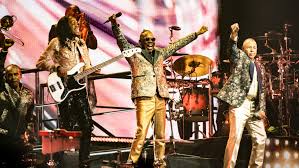
I wanted to talk about a few other songs. Howlin’ Wolf’s “Who’s Been Talking” feels more than just about a breakup. It feels like a system is ignoring people and saying that some lives don’t matter. The restless rhythm demands answers that no one provides. “Evil” shares this same feeling, creeping in with paranoia and a troubling truth. Bobby “Blue” Bland’s “Ain’t No Love in the Heart of the City” expresses a colder pain. It talks about a city and a system that lack care, where economic struggles weigh you down while others benefit. Walter Hawkins’ “When the Battle is Over” changes the tone to something defiant and hopeful. It has a gospel energy that encourages you to keep going and reminds you that you are not alone. Earth, Wind & Fire’s “Keep Your Head to the Sky” feels like someone comforting you. It offers a simple, spiritual reminder to keep looking up, even when life’s challenges feel heavy.
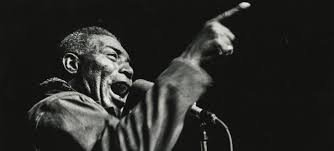
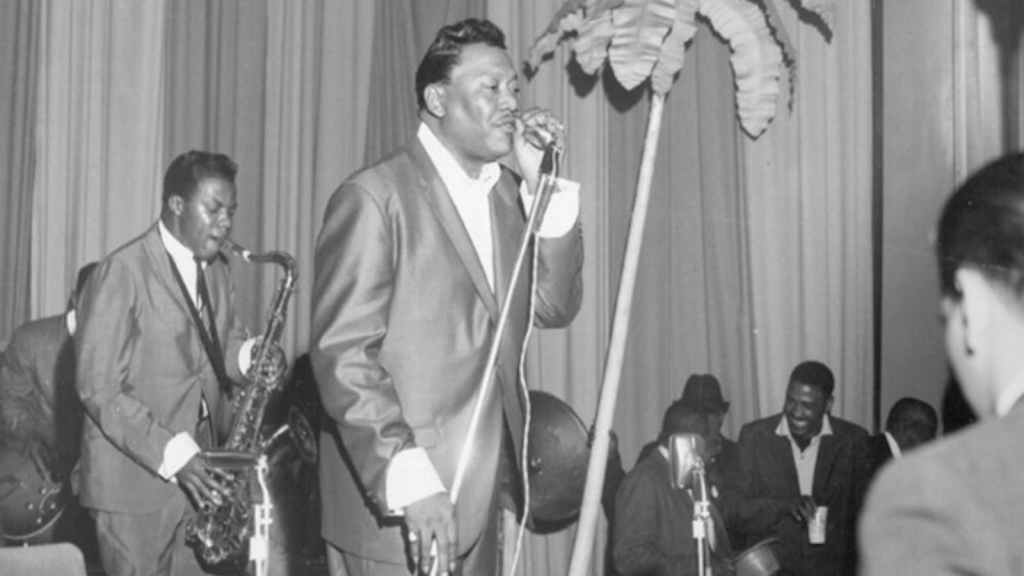
Black music has always been about survival, honesty, and remembering what society tries to forget. Saidiya Hartman’s idea of “wayward life” shows how Black people find meaning and dignity in a world that often devalues them. The blues reflects this through its honest and coded lyrics. Zora Neale Hurston’s work on cultural memory also connects here. The blues is not just about personal feelings. It’s about shared history expressed through music. That’s why some people called it “the Devil’s music.” It was too honest and could not be controlled, challenging the cleaner stories promoted by the church and mainstream culture.

 surreal rhythm