I have never been to the Bay Area, but I have been listening to these songs for a good ten years. I enjoy a lot of different music, but the flow and beats that Bay music uses are simply unmatched for me. The term Hyphy was created in SF, meaning a lot of energy and hyperactive. I think, in a way, Hyphy music has strong elements of funk. The Bay was all about vibrant colors and a smooth aesthetic. Before I get into the songs, I want to mention some of the rappers I absolutely love listening to from San Francisco. I have always liked E-40. I saw him in Portland in 2018 at the Roseland Theater and loved it. I listen to a lot of Mac Dre, Kamaiyah, Andre Nickatina, Larry June, Too Short, and Nef the Pharaoh. There are so many big artists like Tupac and others that I didn’t list, but I love them. This area is known for a lot of features and compilations incorporated.

Andre Nickatina’s “Yeah ft. Messy Marv” 2006 is a top song for me. Nickatina, from the Fillmore District, focuses on the drug impact in SF. Andre Nickatina is one of San Francisco’s most influential underground rappers. I think other Bay rappers inspired him, but he crafted his own lane in the city’s rap scene by blending storytelling and using his own twist on the lyrical flow. His music captures the city’s energy and economic realities, showing how Bay Area rap is deeply connected to the communities and culture it comes from.
Many Bay Area rap songs are about the reality of street economies and survival in neighborhoods that are and were affected by systemic neglect. The drug trade has provided economic opportunities and a way to cope with the lack of stable jobs or resources in urban areas. His song “Ayo for Yayo” and ScHoolboy Q and E-40’s “Dope Dealer” also reflect this reality. I don’t think they glorify the drug trade, but show how people deal with economic struggles and social inequalities in their cities.
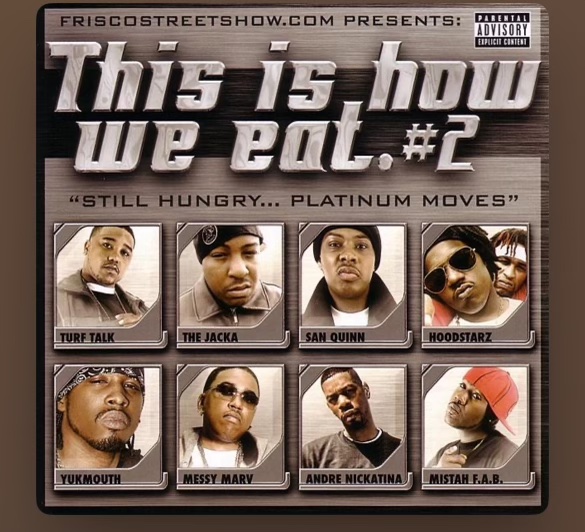
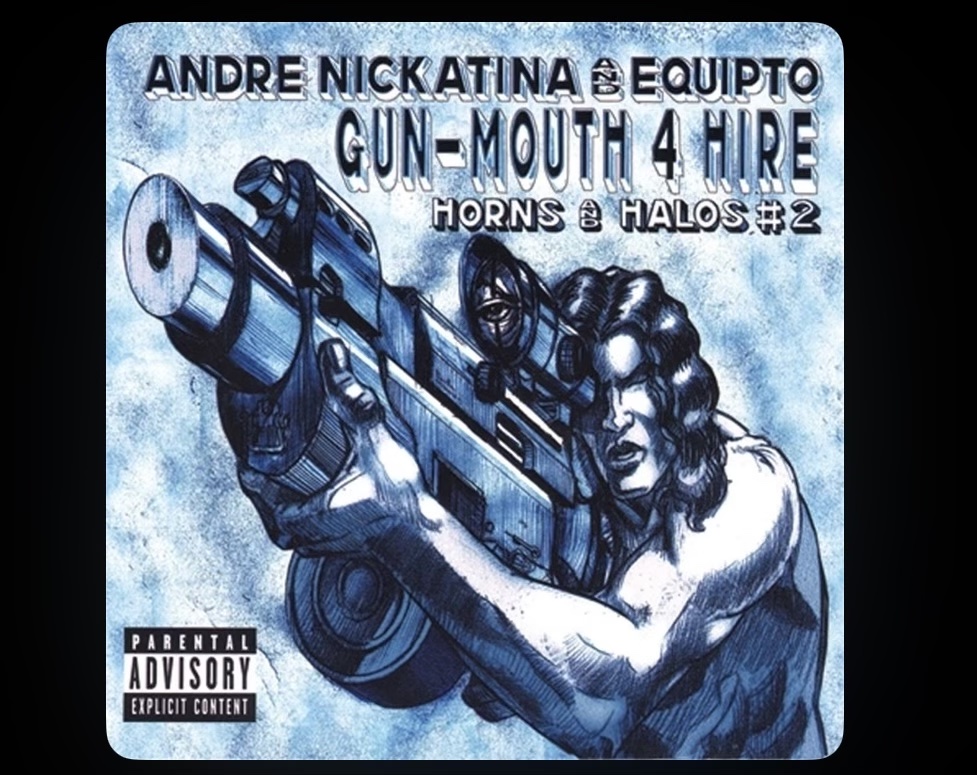
I also saw Larry June in concert at the Roseland, but in 2021. He just came out with a new album. But he mainly raps about SF. He has a new song called “50’s in the City” that I like. It’s about the Bay’s slow luxury, the kind of lifestyle that grew out of a place where you had to make your own lane after industry jobs disappeared. That same energy is all over Nickatina and Equipto’s “4am-Bay Bridge Music.” It’s like a love letter to a late-night drive over the bridge. But the song also captures how the Bay is connected and divided physically by the bridge, and socially by gentrification and economic inequality.
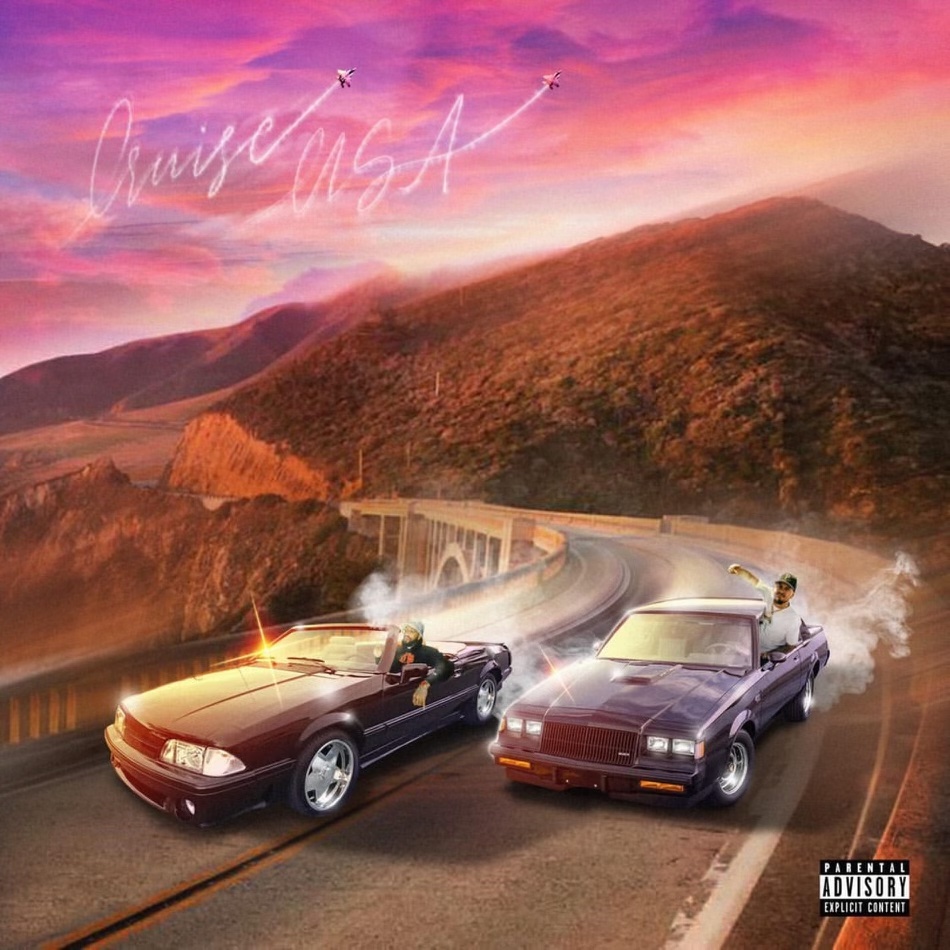
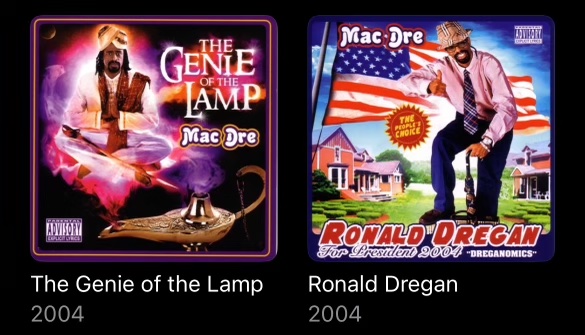
But the songs I really want to mention that changed everything for me were Mac Dre’s “She Neva Seen” and “Feelin Myself.” Dre came up in the Vallejo scene, which was shaped by the same post-industrial economic struggles as Oakland and Richmond. When shipyard and manufacturing jobs left, people built their own economies, whether in music, small business, or street hustle. I think his music was both an escape and a reflection of that reality and stories that made Bay listeners feel seen.
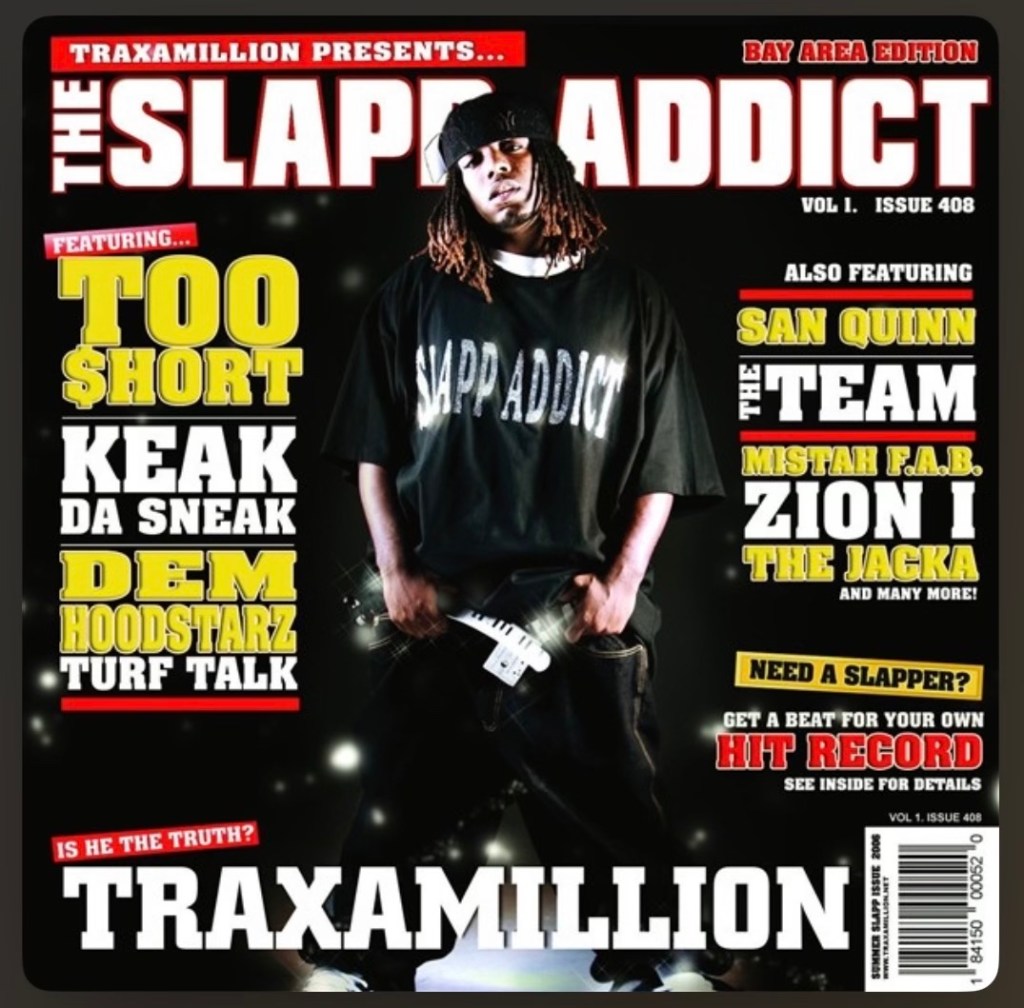
And finally, my all-time favorite song from the Bay is “The Sideshow Ft. Too Short” by Traxamillion. Sideshows started in East Oakland parking lots and industrial strips in the ’80s, when people would gather to show off cars. It was part protest and part celebration. It was a way for young marginalized groups to reclaim streets in a city where their communities were targeted by police. Traxamillion’s beat has hyphy energy, and having Too Short on the track ties it back to Oakland’s early rap history, when he was selling tapes out of his trunk long before major labels cared about Bay music.
Signifying-
Henry Louis Gates Jr. explains signifying as a way of communicating indirectly. It involves using wordplay, irony, and metaphor to express deeper meanings. Black people have used this technique to engage with systems of power that often ignore or silence them. This allows them to critique authority, share humor, and show resistance in coded ways.
The blues also follows this tradition. For example, Muddy Waters’ song “Hoochie Coochie Man” seems like a boastful song about masculinity and sexuality on the surface. However, it also carries deeper messages about power, survival, and identity in a racially unjust world. Like signifying, blues lyrics often avoid direct statements, using double meanings and metaphors instead. Both practices demonstrate how language and music can challenge dominant narratives without being explicit.
Songs that have double meaning in society:
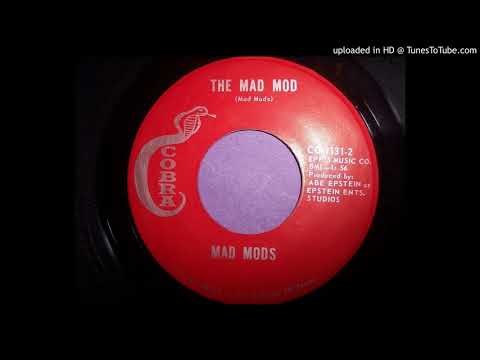
These songs show that their messages go deeper than what they seem. As Gates points out, they often say one thing while meaning something else. “Warm and Tender Love” by Mad Mods & Cobra slows everything down, like love is a sacred thing. “Let me wrap you in my warm and tender love” sounds so comforting. Love in this song isn’t just romantic. It’s about being kind and present for someone who needs it. It feels like a place where we can let our guard down. That’s the kind of emotional space where healing can happen.
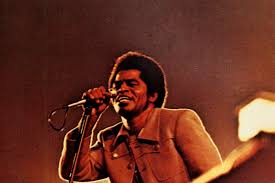
I have always been drawn to the more upbeat and yearning beats in music. “Try Me” by James Brown is a song I actually love and have listened to for a while before this course. It has a very vulnerable and stunning sound that sounds like desperation for a shield in a world that doesn’t protect you. There is something healing about feeling safest with your significant other. But I also think it has a double meaning for being understood and valued by others who don’t. We can learn how the soul understands itself by looking at our friends and community. These connections help shape who we are. I think it can also be existentialism to beg to be seen and cared for through relationships in such brutal circumstances, and to search for purpose while going against feelings of isolation.
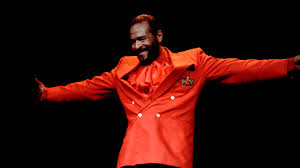
Marvin Gaye’s “Come Get to This” sounds so joyful, but I believe it definitely comes with some layers. He is filled with desire and anticipation for someone else. The song shows how love isn’t isolated. It’s built through relationships. His longing is a response to the presence or absence of the other. I also think it’s one story, but the love he expresses feels like something lots of people can relate to. Which people could call that part of the collective unconscious, feelings and ideas that all humans share deep down.
 surreal rhythm