“Why Black Musicians Were Erased From History” by One Mic History breaks down how Black artists built the foundation for so much American music but still got pushed out of the spotlight. It explains how the industry kept them from getting producers, radio play, or fair promotion, and how their work was often shoved into a “race records” category that limited their audience. Even when Black musicians created whole genres like blues and jazz, white artists would cover their songs and get all the fame, leaving the original creators forgotten. It’s a quick but eye-opening look at how racism shaped the music industry and erased so many pioneers from the story.
“If you wanted to record, you signed on their terms or you didn’t record,” Richard later told his biographer. “It didn’t matter how many records you sold if you were Black…. The very thought of it is sickening to me now. [Art Rupe] made millions and he should owe me millions” (Vice, 2020).
The line between expression and exploitation gets blurry. I feel like there is an immense amount of pressure to fit in, and I think people almost see it through a profitable lens instead of focusing on expressing themselves artistically. The industry feels like sexuality is nearly demanded in order to become a part of it. I think a lot of people would say talent should be the main focus, but sexuality is for sure heavily pushed. The music industry has a long history of profiting off the bodies and images of Black women while giving them very little control over how they’re seen. It feels like White artists are allowed to have more individuality, but there is a smaller range of what Black artists can do.
Chapter Eight “Selling Hot Pussy,” in “Representations of Black Female Sexuality in the Cultural Marketplace” by Bell Hooks says, “As sexist/racist sexual mythology would have it, she is the embodiment of the best of the black female savage tempered by those elements of whiteness that soften this image, giving it an aura of virtue and innocence… she is the perfect combination of virgin and whore, the ultimate vamp” (Hooks, p. 129). Even someone like Iman, who is a highly paid supermodel, had to keep changing her image. She was praised for looking “white enough” and later remade to seem more “exotically” Black. That’s not empowerment, that’s marketing. It shows that Black women aren’t always allowed to define their own image. Just because someone appears confident doesn’t mean they’re doing it for themselves. Hooks is saying what I’ve been thinking. Sexualization isn’t the same as sexual expression. You can be sexualized just by existing in a certain body, and most of the time, those judgments are coming from outside factors and not the artist’s own choices
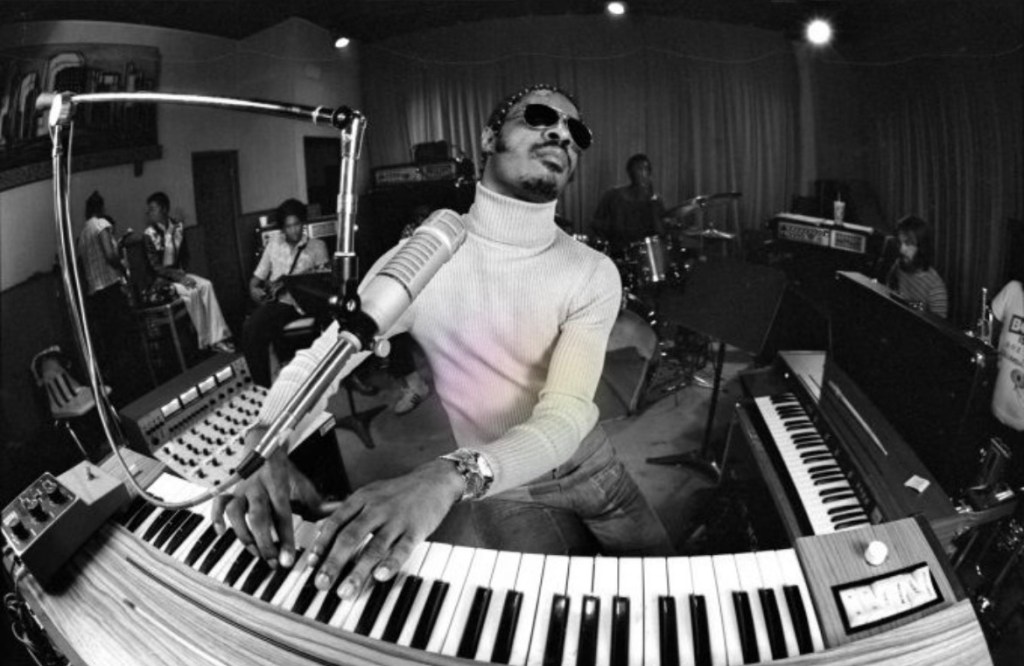
“Black artists aren’t the only ones who get trapped in inequitable deals, and it’s certainly possible for a label to take advantage of a poor, under-resourced white artist in the same way. But according to Tonya Butler, a former entertainment attorney and label executive and the current chair of Berklee’s music business program, it’s much more common for a Black artist to get locked into a bad deal than a white one” (Vice, 2020).
Black Artists Are Still Getting Ripped Off the Way Little Richard Was. https://www.vice.com/en/article/z3vb5j/little-richard-made-millions-it-all-went-to-his-label
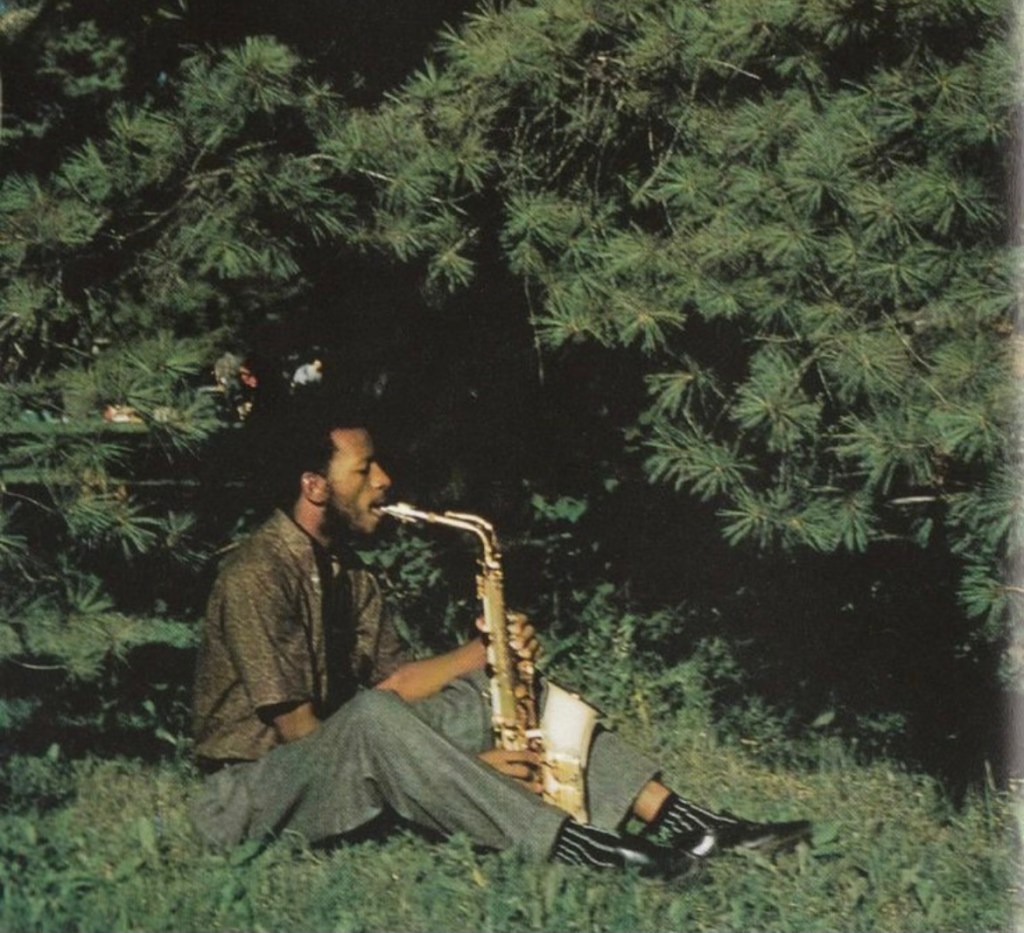
“The list of legendary Black musicians who didn’t receive fair pay for their work is long. It includes Jimi Hendrix, James Brown, Nina Simone and Little Richard, just to name a few” (CBC, 2024). There will always be those who attempt to mass-produce for profit. Capitalism causes people to make as much money as possible with as little quality as possible. It feels common that people are persuaded to help others make money. There is so much exploitation in society, and your worth usually seems tied to how much you earn. Art is subjective, and people will always enjoy relating to or analyzing it, whether it’s through expression or a hobby. It is truly everywhere. The video is cool because it makes you realize how few people stop to look outside the norm. When I took a philosophy course in my Freshman year, we read a lot about various philosophers and their styles. And most had similar messages about why we repeat the same actions every day. The myth of Sisyphus is that he pushes up a boulder every day as punishment, just for it to fall down the hill, making him do it again. We find comfort in art and simply would not survive without it. I have always been a firm believer that the world runs on emotions. And it links back to what we have been learning in this class, art is an escape and a way of storytelling. I honestly think Sun Ra is genius because even in today’s world, people do not understand how blind some of us are. It feels like the only answer is to disconnect. There is a reason why some artists are remembered for centuries. Overall, it seems that if certain things do not affect people, they call it useless or lazy.

Cowie, D. (2024, September 21). The music industry has exploited Black artists since its inception — and the call for reparations is growing. CBC. https://www.cbc.ca/documentaries/the-music-industry-has-exploited-black-artists-since-its-inception-and-the-call-for-reparations-is-growing-1.7321235
 surreal rhythm