Afrofuturism
https://timeline.carnegiehall.org/stories/afrofuturism-in-black-music
Afrofuturism and Afrosurrealism definitely overlap. They both come out of Black cultural expression and deal with ideas of liberation, identity, and reimagining the world. Afrofuturism is all about looking ahead. Imagining Black futures, alternate histories, and worlds where Black people aren’t just surviving but thriving. It leans into sci-fi, speculative fiction, and high-tech imagery, whether that’s Sun Ra sailing through space in his cosmic jazz or Parliament-Funkadelic’s mothership funk It’s forward-looking, often cosmic, and it uses futuristic worlds as a way to rewrite history and shape the present.
“Afro-surrealism are the forms of artistic work inspired by the black cultural aesthetic with the purpose of liberating the people and expanding the understanding of how black individuals exist. Afro-surrealist look to inform the public on the invention of structure: racial, societal, and norms, all while still critiquing these structures that are imposed on them. African-American surrealist are interested in exposing the “right now”, another way of saying what is currently happening universally to effect the black livelihood. As described by Lacey Murphy and Kevin Mccoy in Afro-Surrealism: What Black is and Can Be. They state, “From ‘stop and frisk’ policies to racially motivated 911 calls and other forms of racial profiling prevalent in society today, black Americans are continuously policed simply by race and appearance. This is why the mission of exposing the ‘right now’ is crucial’” (Medium, 2019).
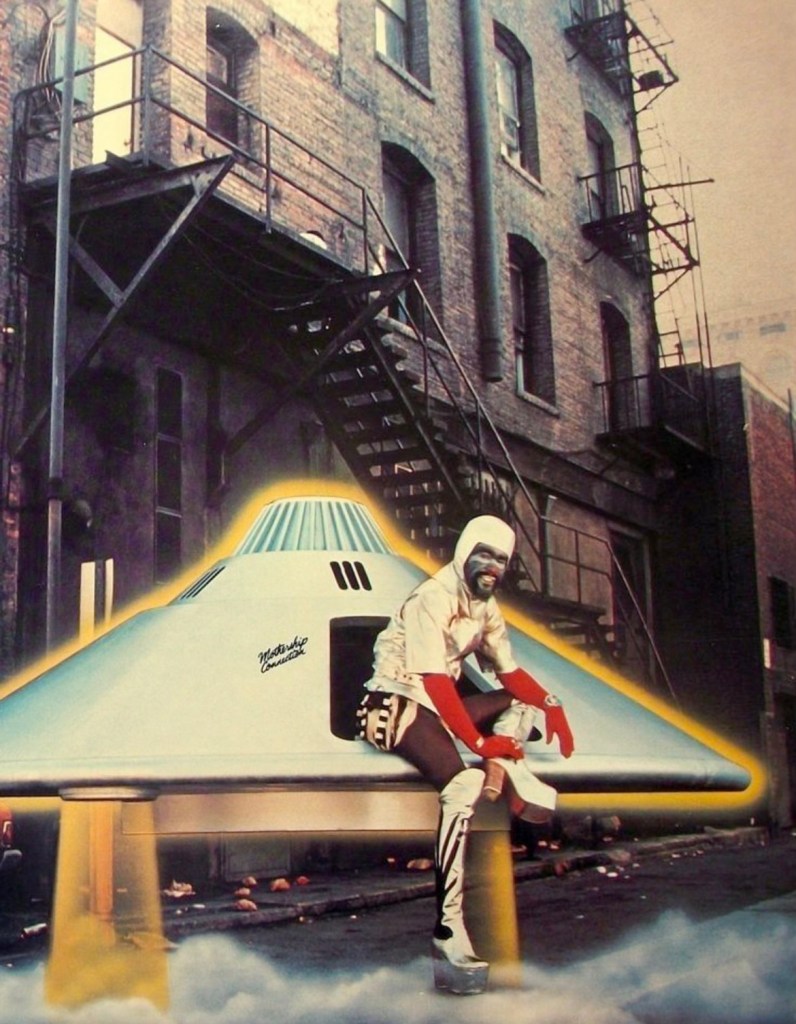
Mothership Connection- Parliament
Is Jazz Dead?
“I’ll play it first and tell you what it is later.” -Miles Davis. I think when Miles Davis says that Jazz is dead, he is saying that jazz isn’t meant to be understood by everyone. When I watched Sun Ra, He used outer space to deal with the very real trauma of racism and being erased. He was talking about being disconnected in society, and Miles Davis is saying that Jazz is for Black people and no one else, because the pain is only what they have experienced. That’s something you can’t just sell or explain away. Living in a society that constantly devalues your life is surreal.
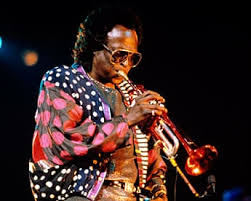
Jazz has this surrealism, and Miles Davis’s music really shows that. He improvised a lot, and it wasn’t about technique. It was about what felt right, and it seems like he really did not care about other opinions. It feels like Jazz doesn’t follow strict rules. It is not about profit or capitalism, it is about art. I think surrealism is a way that Black artists use dream-like elements to show how real life for Black people can already feel unreal. It’s not about escaping reality. It’s about showing how everyday Black life, shaped by racism and survival, can already feel surreal. I think it can be hard to think philosophically because it is the norm to go about our days and work to survive. But when we learn about oppression and how music was significant, it shows how Black people were able to express themselves through music and other art forms. Jazz lives in the in-between space and outside the mainstream.
Politics of Aesthetics—Rancière and Adorno
Miles Davis’ improvisation, dissonance, and experimental sound refused to follow the usual musical rules, which were political choices. Jazz does not fit into capitalist ideas of harmony. This goes against the systems that try to limit it.
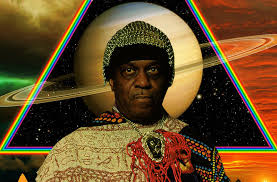
“If you’re not mad at the world, you don’t have what it takes”
― Sun Ra
“I know what life is. This is not life. This is death disguised as life.”
― Sun Ra
Sun Ra’s video “Space Is the Place” was definitely ahead of its time. It reminds me of dissociation/derealization, the feeling that nothing around you is real. For marginalized people, Earth doesn’t feel real because they’re excluded from systems that claim to represent everyone. When he says it is a bottomless pit, “Space is not only high, it’s low. It’s a bottomless pit,” it seems like he is talking about the unfair things in the world, like racism and violence, that make life hard for people, especially in Black communities. A pit, like a never-ending cycle that traps you. So imagining life on another planet becomes a way to create a reality where you finally belong.
I think jazz is surviving by stepping out of the systems that try to tone it down or erase where it came from. Black culture finds ways to keep going, to make joy, even in the middle of pain. So I don’t think jazz is dead, it’s just not meant to be easily consumed.
As for funk, I think on the surface, funk comes off as joyful and like a release. But it came out during the harsh realities of oppression and brutality. It ties in with surrealism and reclaiming power. So I don’t think it hides suffering. I believe it transforms it and creates community in the middle of it. So, it does align with Moten’s Black Optimism, because it is not about believing things will get better. It is about resistance. Funk turns pain into life within conditions of oppression. It is definitely not denial but creativity and possibility that comes from the suffering in spite of inequality.
Adams, K. (2019, May 12). Afro-Surrealism: Embracing & reconstructing the absurdity of “Right Now.” Medium. https://itskierstenadams.medium.com/afro-surrealism-embracing-reconstructing-the-absurdity-of-right-now-7521cc6ab27f
 surreal rhythm